
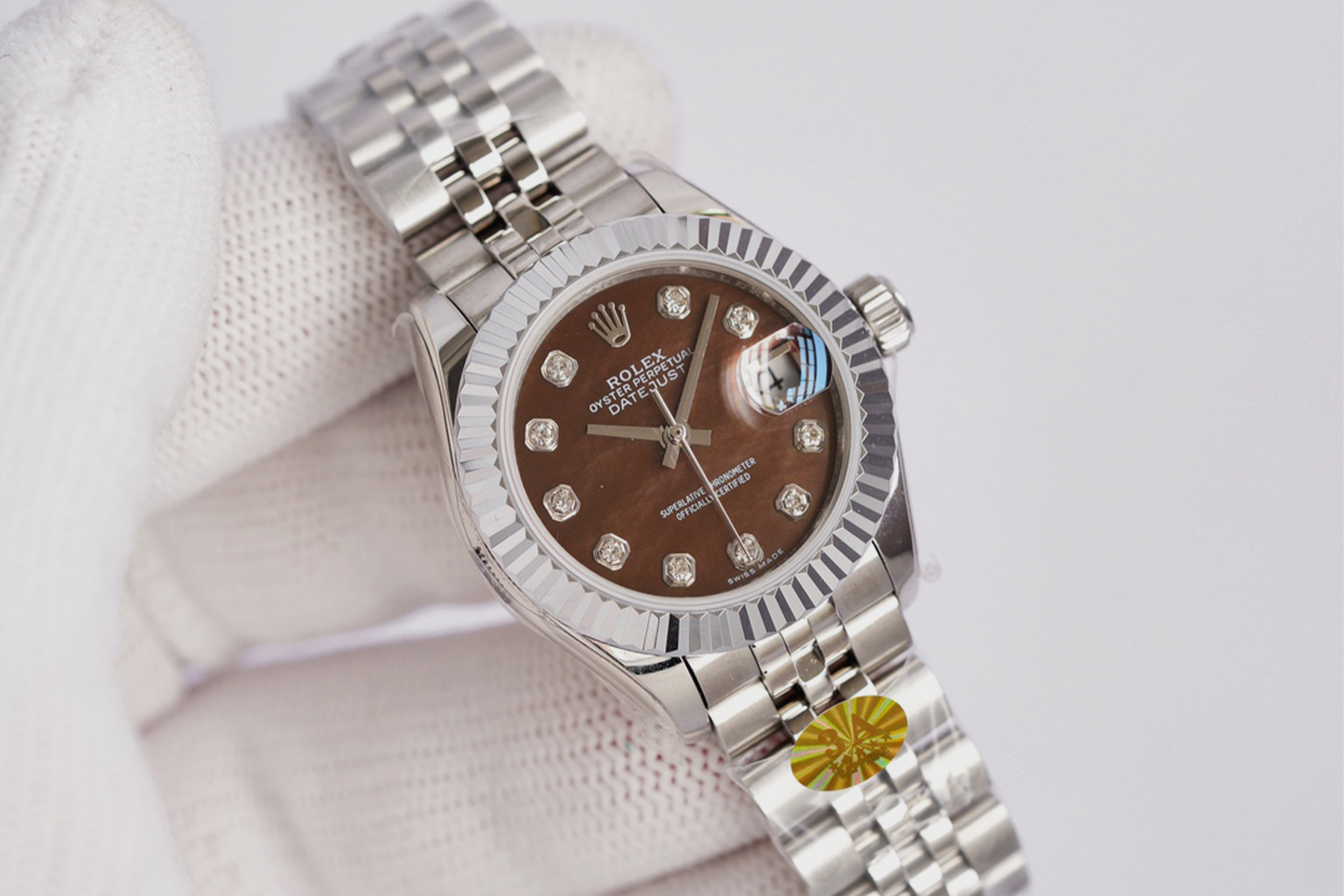
1:1 super clone watches attract attention because factories attempt to reproduce luxury watch designs with remarkable detail and precision. Many watch enthusiasts often wonder how replica factories achieve such a close resemblance to expensive originals. Understanding the production process helps readers see the technical work behind modern replica watch manufacturing. Rather than focusing on purchasing decisions, this article explains how factories design and produce these replicas.
What Makes 1:1 Super Clone Watches Different
Replica factories usually begin by studying an authentic luxury watch in careful detail. Engineers measure case dimensions, lug shapes, dial spacing, and bracelet structure using precision tools. Design teams frequently disassemble original watches in order to observe how every component fits together. High-resolution scanners record case curves, engravings, and surface textures with strong accuracy.
Factories producing 1:1 super clone watches concentrate heavily on matching the proportions of the genuine model. Even a small difference in bezel thickness or crown size becomes easy to notice. Because of this, technicians repeatedly compare early parts against the original watch. Special measuring instruments help workers refine edges, curves, and engraved details. Eventually factories create a digital reference model that guides the rest of the production process.
Materials Used in 1:1 Super Clone Watches
Material selection strongly influences how realistic a replica watch looks and feels. Many factories attempt to use metals and components that resemble the originals closely. Common materials include stainless steel, sapphire crystal, ceramic inserts, and synthetic jewels. These materials help replicate durability, surface shine, and the overall weight balance of luxury watches.
Below is a simple overview of materials commonly used during production.
| Component | Typical Material | Purpose |
|---|---|---|
| Watch Case | 904L or 316L Steel | Strength and corrosion resistance |
| Crystal | Sapphire Glass | Scratch resistance |
| Bezel | Ceramic or Steel | Color accuracy and durability |
| Movement Parts | Brass and Steel | Mechanical stability |
Factories creating 1:1 super clone watches often pay attention to weight distribution. Authentic luxury watches usually have a specific weight that experienced collectors recognize immediately. Therefore manufacturers try to match both material density and bracelet construction carefully.
Digital Modeling and Prototype Development
Modern replica watch production often begins with advanced digital modeling software. Engineers build precise three-dimensional models that replicate the original watch measurements. Computer simulations allow designers to review proportions before manufacturing physical parts. Once the digital design looks accurate, CNC machines cut the first metal prototypes.
Technicians inspect these early prototypes carefully under strong magnification lighting. Small issues sometimes appear in engraving depth, polished edges, or dial alignment. Whenever problems appear, engineers revise the design and produce another prototype. Several development rounds usually occur before factories approve the final manufacturing molds. This stage plays a large role in why some replicas appear more refined than others.
Movement Replication Techniques in 1:1 Super Clone Watches
Watch movements present one of the most challenging aspects of replica manufacturing. Many factories modify reliable automatic movements to visually resemble famous luxury calibers. Other manufacturers design custom bridges, rotors, and plates that imitate original layouts.
Factories building 1:1 super clone watches usually focus on visible movement architecture. Rotor engraving, bridge shapes, and screw placement often receive special attention. Some factories even replicate decorative finishes like Geneva stripes or perlage patterns. Although these decorations remain mostly aesthetic, they help the movement resemble the original design. Testing equipment then measures beat rate, power reserve, and general timing stability.
Why 1:1 Super Clone Watches Focus on Visual Precision
Visual accuracy often determines whether a replica appears convincing to most observers. Collectors usually notice dial details, polishing patterns, and hand alignment before examining technical features. Because of this, factories study high-resolution images of authentic watches during development.
Factories producing 1:1 super clone watches carefully analyze dial fonts, marker spacing, and lume color. Lighting tests also reveal whether brushing patterns and polished surfaces match the original watch. Workers adjust finishing techniques until reflections and textures appear consistent.
Factories often review several visual checkpoints during inspection:
Dial spacing and printing clarity
Bezel marker alignment
Crown engraving detail
Bracelet finishing consistency
Careful attention to these details improves the overall appearance of the finished watch.
Quality Control Inside Replica Watch Production
Quality control teams monitor multiple stages during the manufacturing process. Inspectors examine case polishing, crystal clarity, dial alignment, and bracelet finishing. Even small cosmetic imperfections often lead to rejection during inspection.
Factories also test water resistance using pressure equipment designed for watches. Timing machines evaluate accuracy during simulated wearing conditions. Additional inspections verify crown threading, clasp strength, and rotor movement. These procedures help factories maintain a consistent level of appearance across production batches.
Final Assembly Process for 1:1 Super Clone Watches
Assembly technicians combine all components once individual parts pass inspection. Specialized tools install the movement, hands, dial, and crystal with precise positioning. Lubrication points receive oil to ensure smooth mechanical operation.
Technicians regulate the movement again after full assembly to improve timekeeping stability. Protective films then cover polished surfaces to prevent scratches during handling. Finally 1:1 super clone watches leave the production line after technicians confirm cosmetic accuracy and functional performance.